
Books that shaped my writing journey
I must have been middle-school aged—twelve or thirteen—sitting in front of the Compaq Presario tucked into the corner of my bedroom. It was supposed to be for schoolwork, but I mostly used it to build intimate relationships with strangers in unaccompanied chat rooms.
I think I had about three boyfriends who were probably middle-aged, balding men—men who hated their lives, were stuck in miserable marriages, or worse… child predators.
But I survived.
And I digress.
On an off day from the chat rooms, I sat staring at a blank document.
My mind drifted to my best friend’s sister—a twenty-something woman who had just lost her boyfriend to gun violence and was left to raise their young son on her own.
I thought about the pain she must have felt.
The fear.
The uncertainty of what came next.
And I began to write.
Nothing more than a paragraph—barely a scene. Third person narration, describing this woman rocking her son in her arms, fighting her tears.
Though I never returned to that particular story, I knew that somewhere down the line, I wanted to write one—a novel.
And these five books planted the seeds for the one that’s coming.
TRUE TO THE GAME — Terri Woods
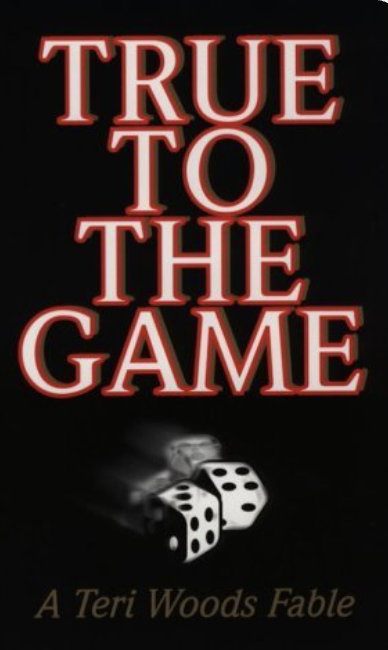
An urban classic, and one that’s special to me for many reasons.
I was maybe sixteen when I read it—by this time I had moved on from AOL chat rooms into Myspace. It was the first mature novel I read cover to cover—and in record time, a pace I haven’t beaten since.
Beyond the drug culture it depicted, the story centered on the love between its main characters, Gena and Quadir.
(I fell in love with Quadir my damn self.)
It was salacious.
It was sexy.
It was something that probably should not have been in my hands at that age.
But I loved it.
Looking back now, I’m even more inspired by Terri Woods herself—the way she believed in her story even when traditional publishers turned her down. Despite everything standing in her way, she made a way on her own as a successful self-published author.
That alone is a story worth telling.
THE GLASS CASTLE — Jeannette Walls
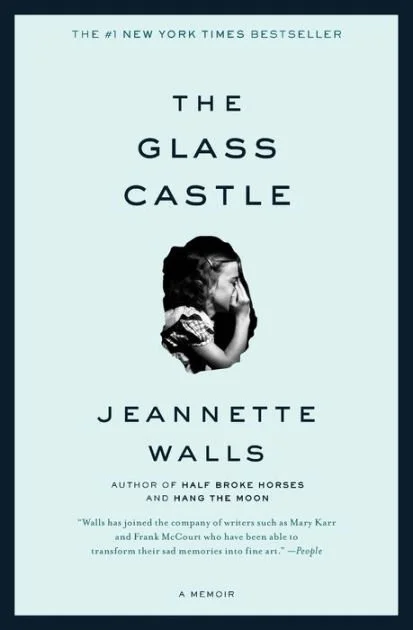
The memoir that set the tone for my novel and even inspired some of its recurring themes.
I read The Glass Castle as part of my college intercommunications curriculum—one of the few things I actually enjoyed about college (aside from parties and Wing Wednesday… Boro fam know what I’m talking about).
The story resonated deeply with me because although it was told from a white woman’s perspective—her family, often reduced to their circumstances—I knew exactly where she was coming from and what she worked so hard to escape.
I felt the sting of disappointment in my chest as her father’s ambition and lofty dreams slowly dwindled into nothing more than a pipe dream.
This story is why I keep pushing—no matter how hard writing gets.
And the bonus? It was later adapted into a feature film starring one of my favorite actors, Woody Harrelson.
As someone who is also a visual storyteller and screenwriter, the film adaptation only fueled my creative fire.
THE ALCHEMIST — Paulo Coelho
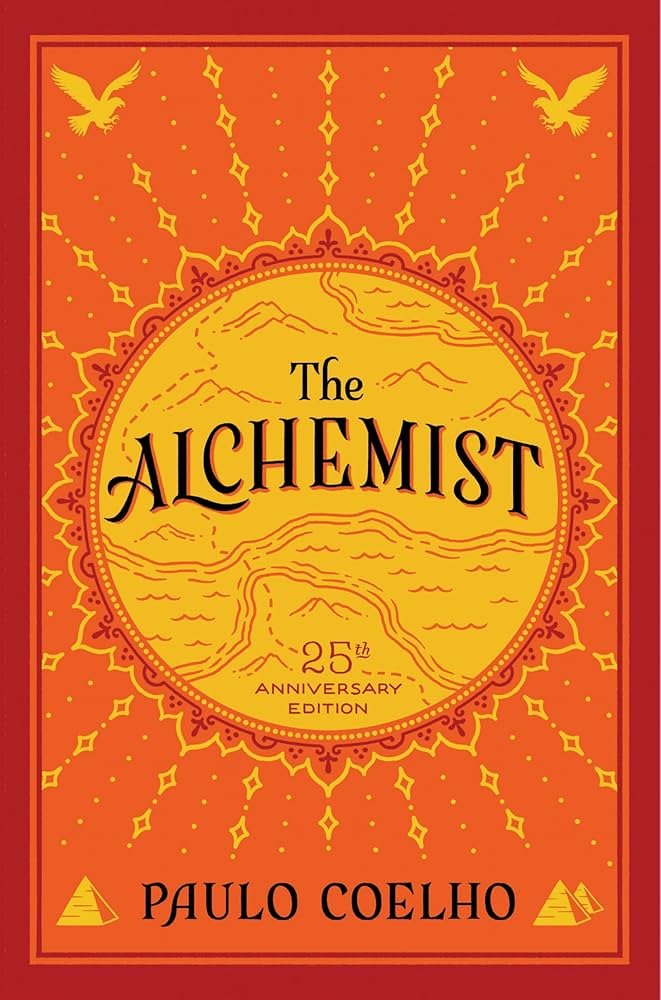
Every living soul has probably been told to read The Alchemist at one point or another.
It’s clever.
It’s metaphorical.
It’s spiritual.
Maybe even life-changing.
When I read this book, I was beginning my career in entertainment—observing a system I couldn’t quite move within and personalities I didn’t quite align with.
Something about the main character’s search for treasure brought me back to the blank page—this time on a MacBook Pro.
Up until this point, I thought my path was screenwriting, but I kept getting stuck in my developmental phase. So instead, I started writing about my complicated love life and frustrating work experiences.
Much like the shepherd boy Santiago, I wanted to weave signs and omens into the story—things my main character Kennadi would encounter, interpret, and still not fully understand.
Eventually, something shifted.
Screenwriting became a walk in the park for me, while literary writing grew harder and harder to complete.
There were many hiatuses.
Many days when finishing the story felt impossible.
But writing a novel was the dream.
Becoming a published author was the goal.
And like Santiago in this story, I had to follow it.
IT ENDS WITH US — Colleen Hoover
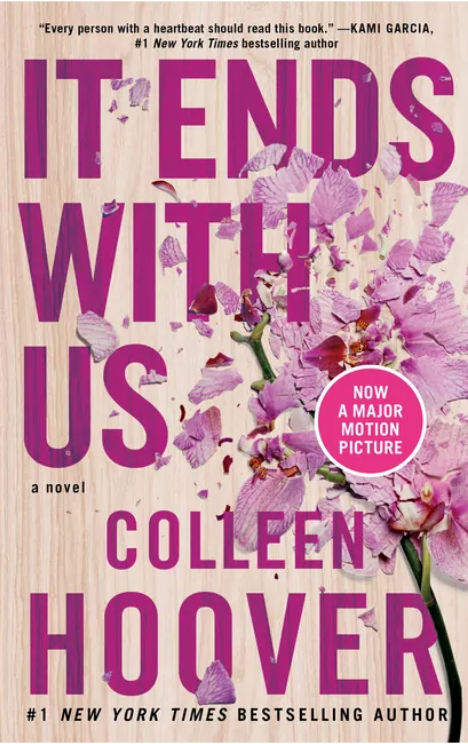
Oh boy…
Fun fact: During a query letter critique, a literary agent once told me to reposition my book as upmarket fiction—the “Black Colleen Hoover.”
She arrived at that in part because It Ends with Us was one of my comp titles.
I read the novel by happenstance. I couldn’t sleep one night and instead of scrolling or binge-watching, I opened the book app—and there it was, front and center.
When Atlas entered the story, I immediately felt affirmed in what I was trying to write.
A first-love kind of story.
A once-in-a-lifetime connection kind of story.
Paired with a present-day romance that begins like a fantasy before spiraling into darkness.
I’d never position myself as the “Black Colleen Hoover.”
But if you enjoy her storytelling style, maybe you’ll enjoy mine too.
THE HOLY BIBLE
I’m a Psalms girl myself… Genesis, the New Testament… the entire book is the ultimate flex, filled with stories of trials and triumphs, miracles and mercy.
During my personal healing journey, the Bible brought things into perspective. It made my life and experiences clearer—and ultimately, my novel too. (Won’t He do it!)
It became one of those moments where you realize God truly works all things together—He’s the author and the finisher.
Just like He orders our steps, I realized I was shaping my main character’s journey in ways I hadn’t yet recognized.
THEIR EYES WERE WATCHING GOD — Zora Neale Hurston
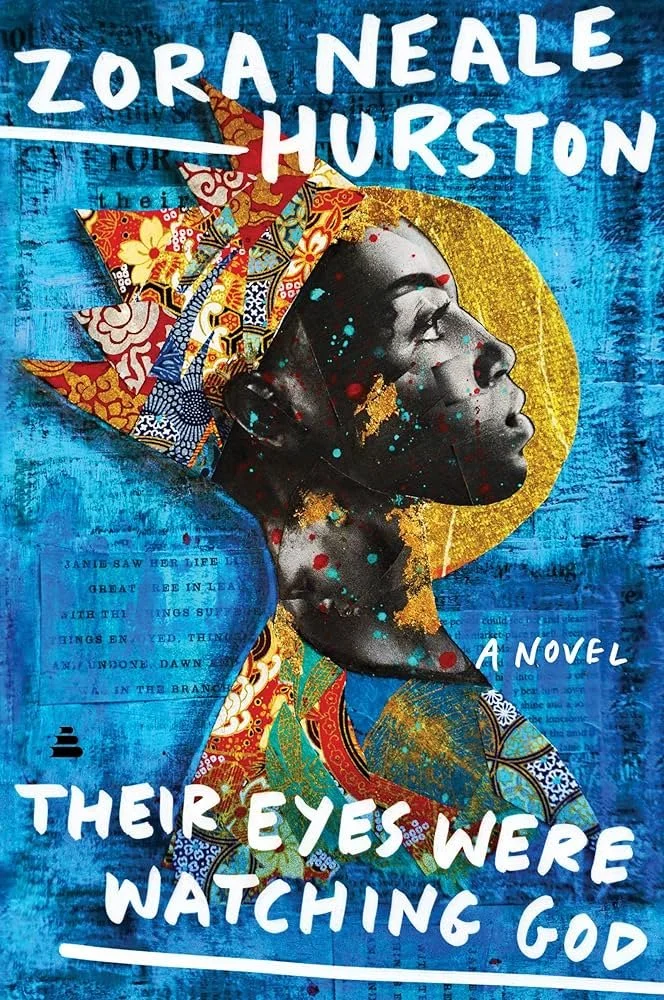
Their Eyes Were Watching God by the incomparable Zora Neale Hurston belongs on this list.
I’m a little backwards on this—I saw the film adaptation first. But Halle Berry and Michael Ealy sold it so well, I didn’t even make it through the movie before ordering the book.
What sticks with me is the introspection, the emotional depth—a woman coming into herself.
When the life you imagined doesn’t quite materialize the way you thought it would.
That part… my novel understands.
While it carries the spirit of Janie—her longing, what she desires—I can only aspire to touch Hurston’s pen.